Menu
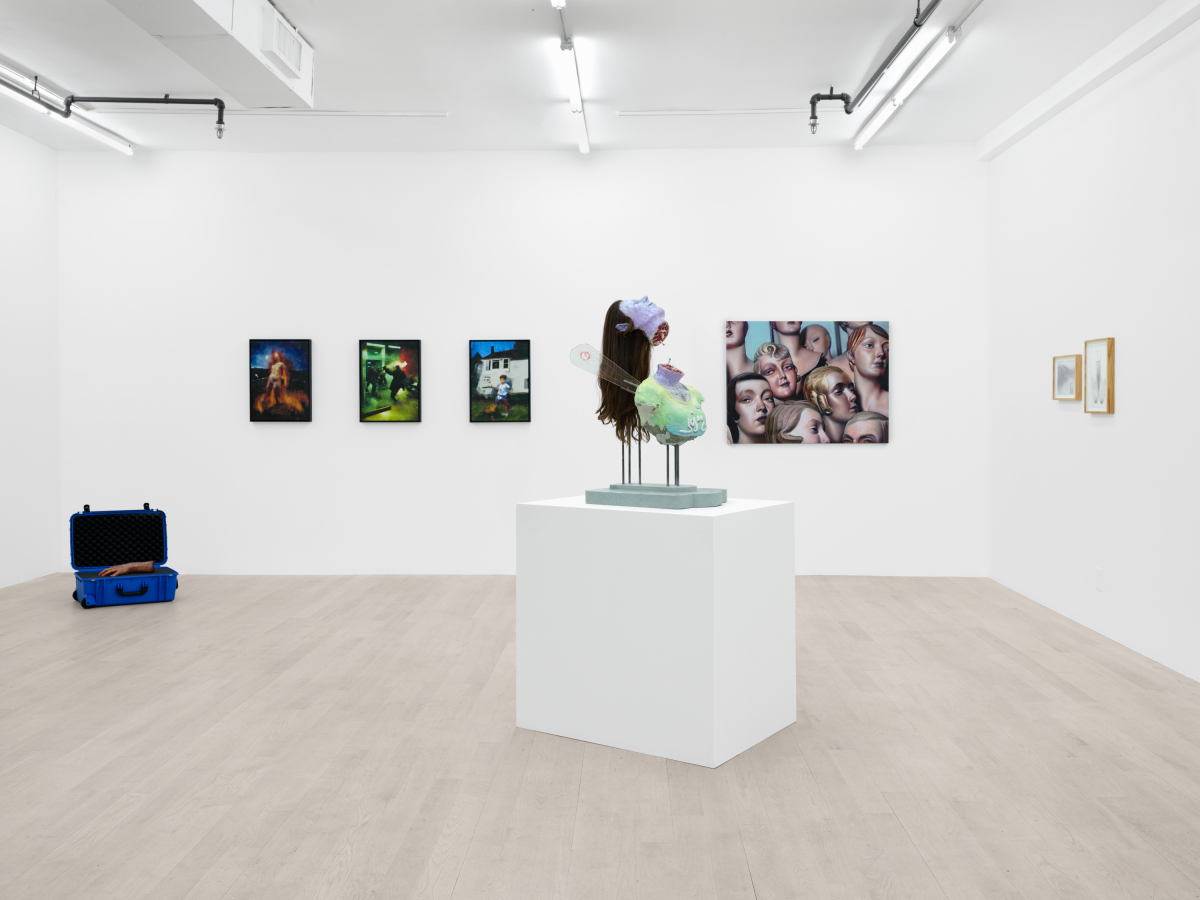
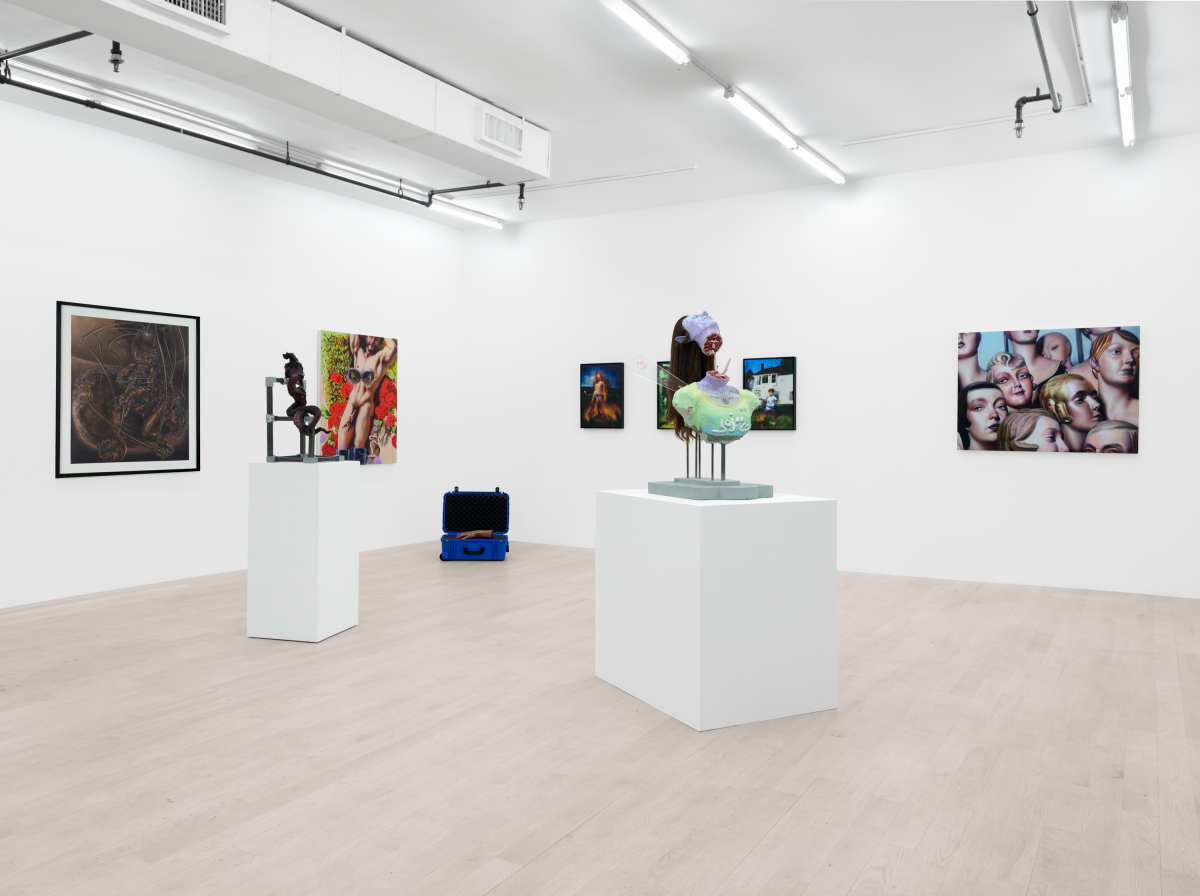
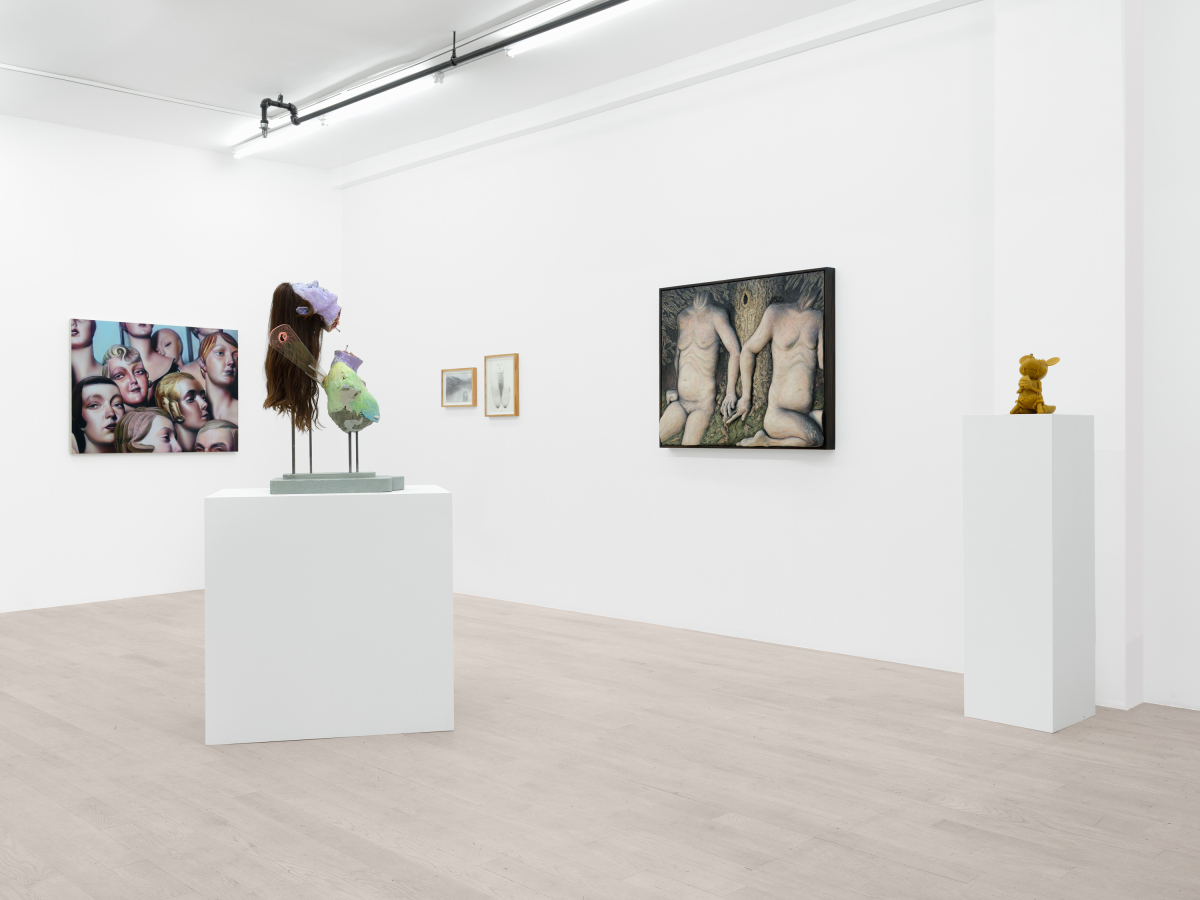
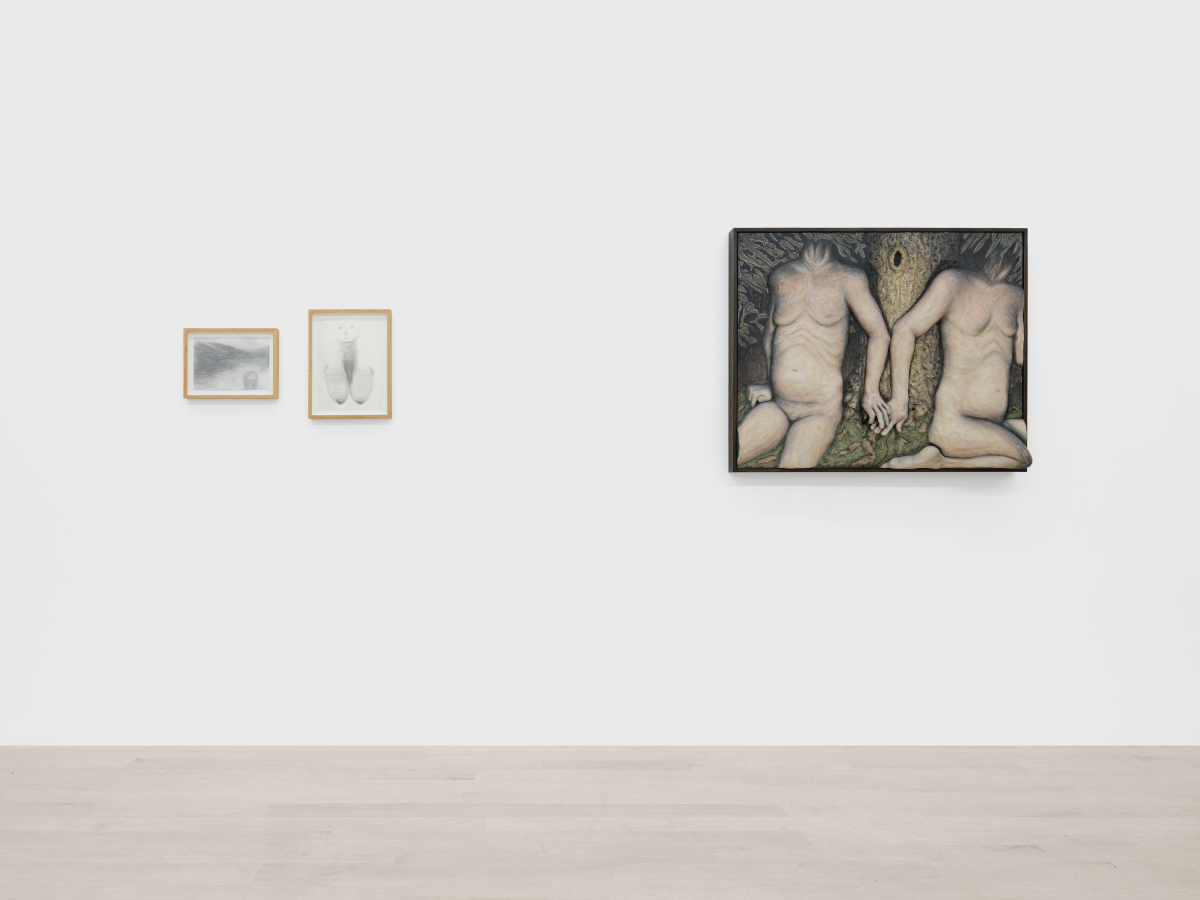
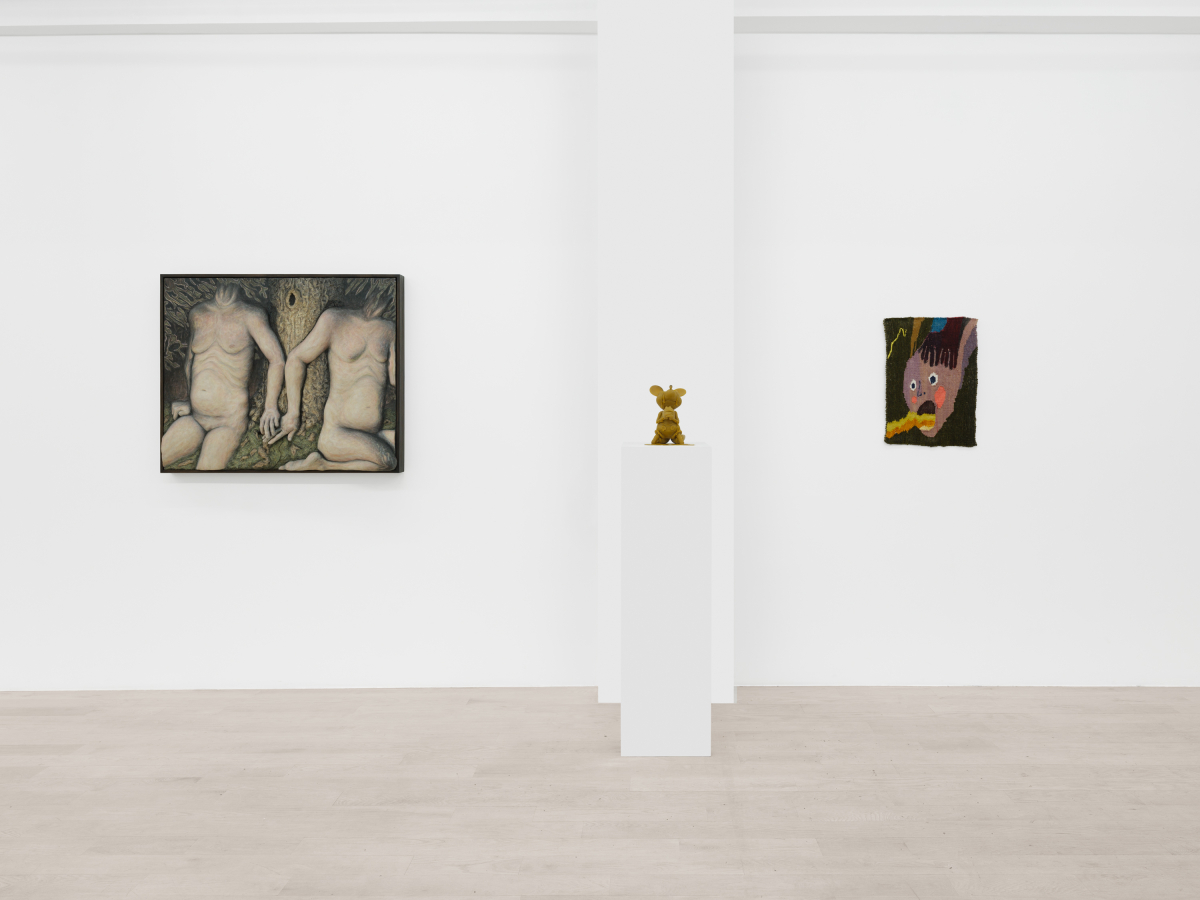
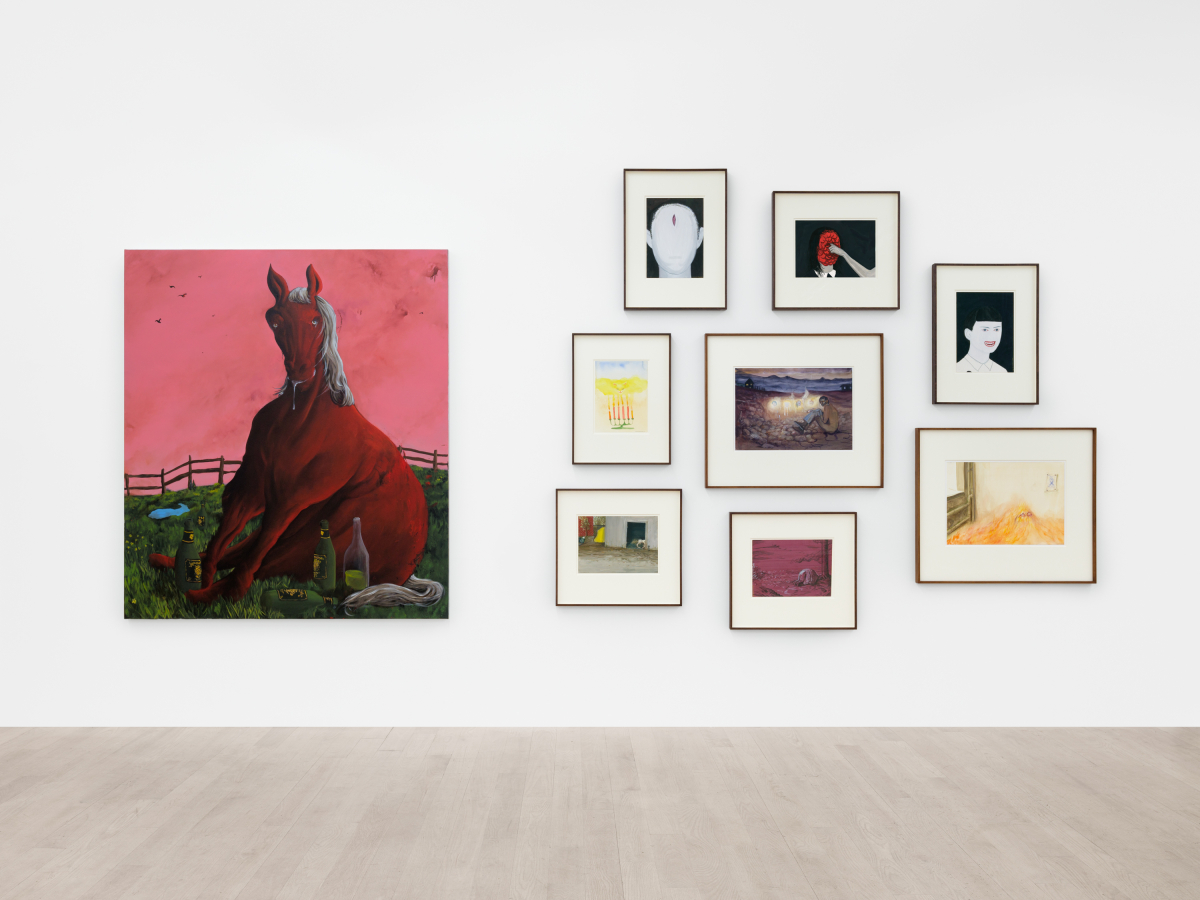
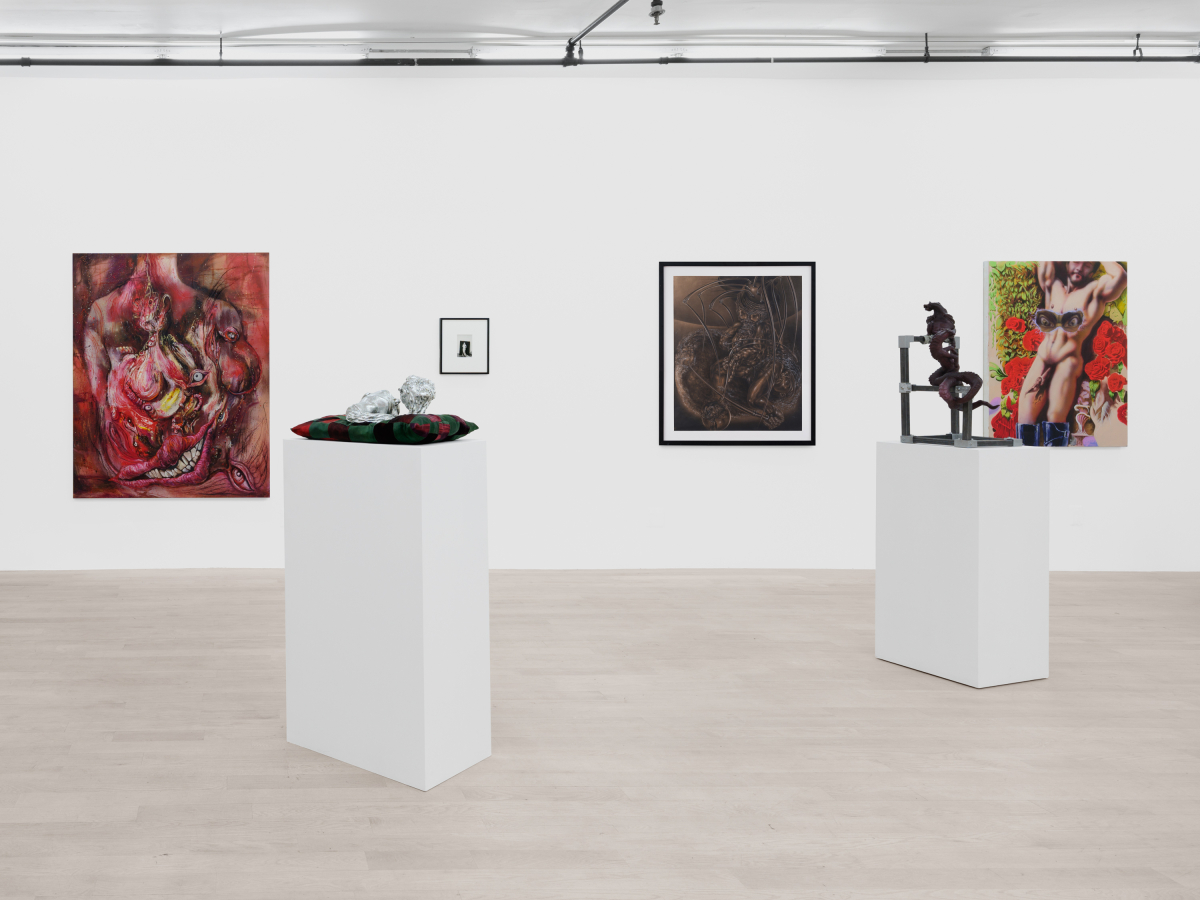
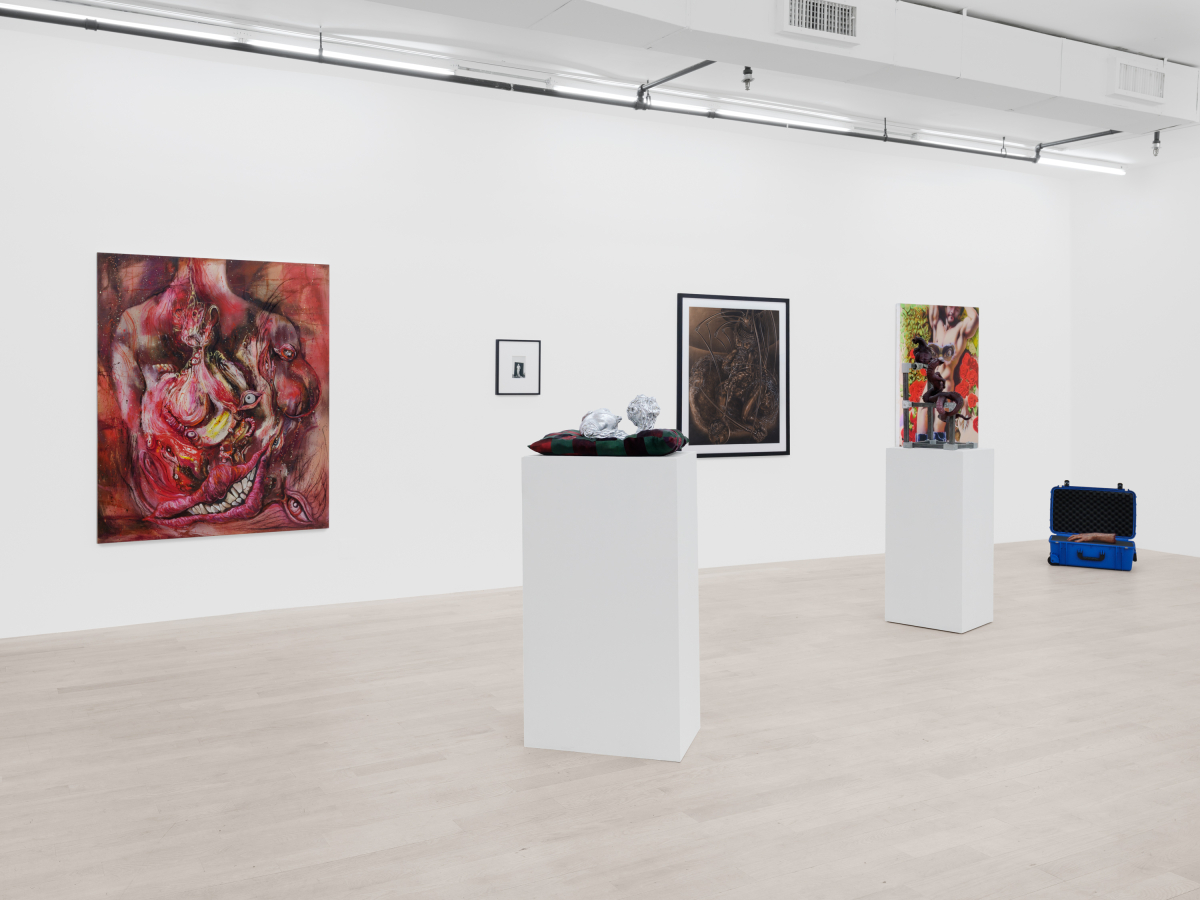
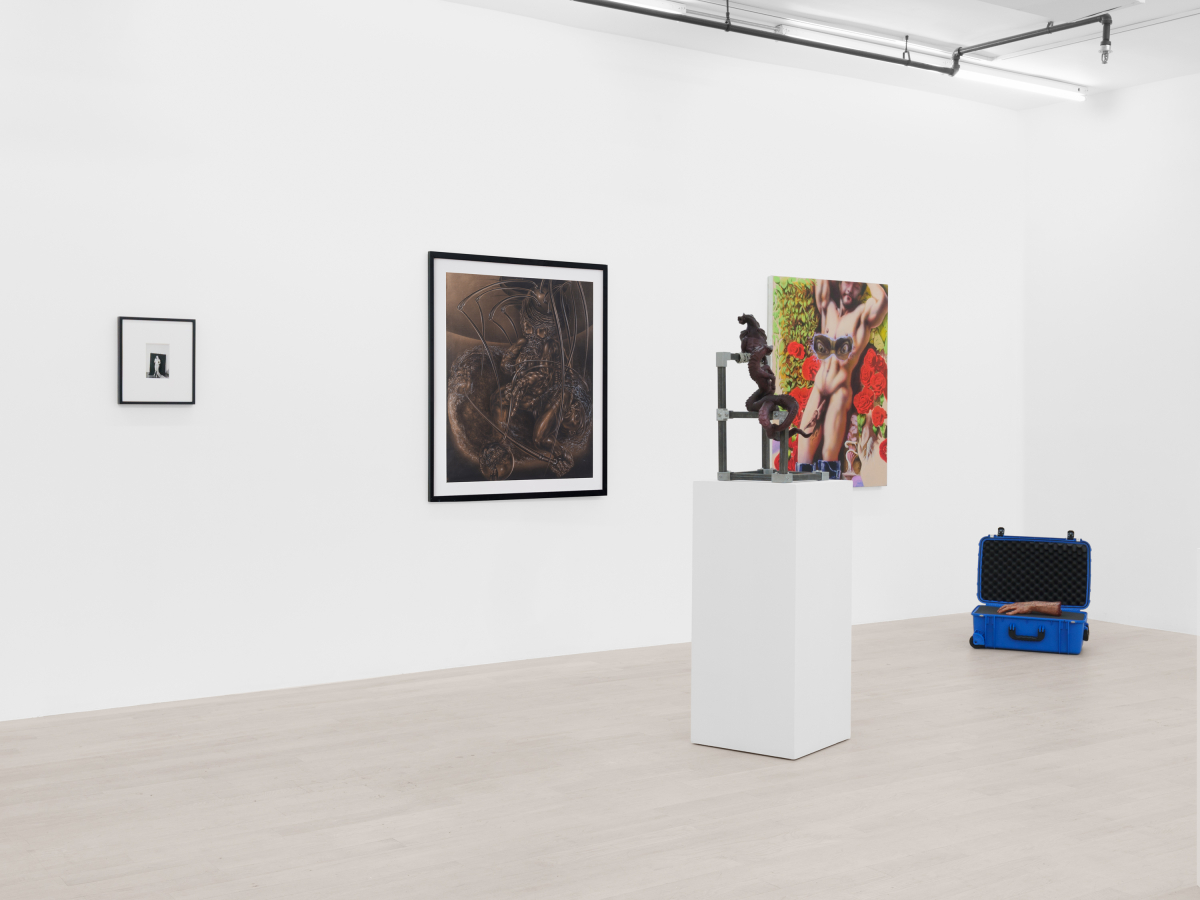
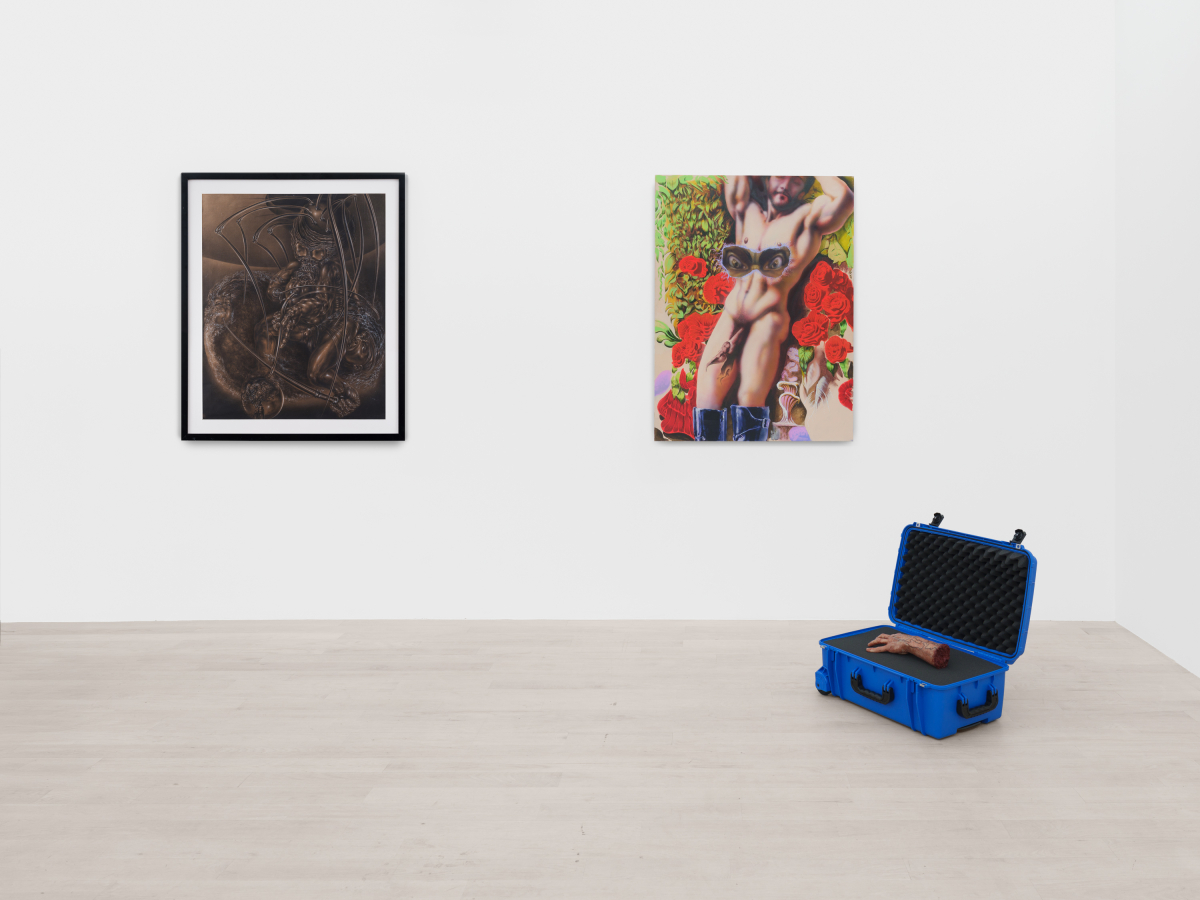
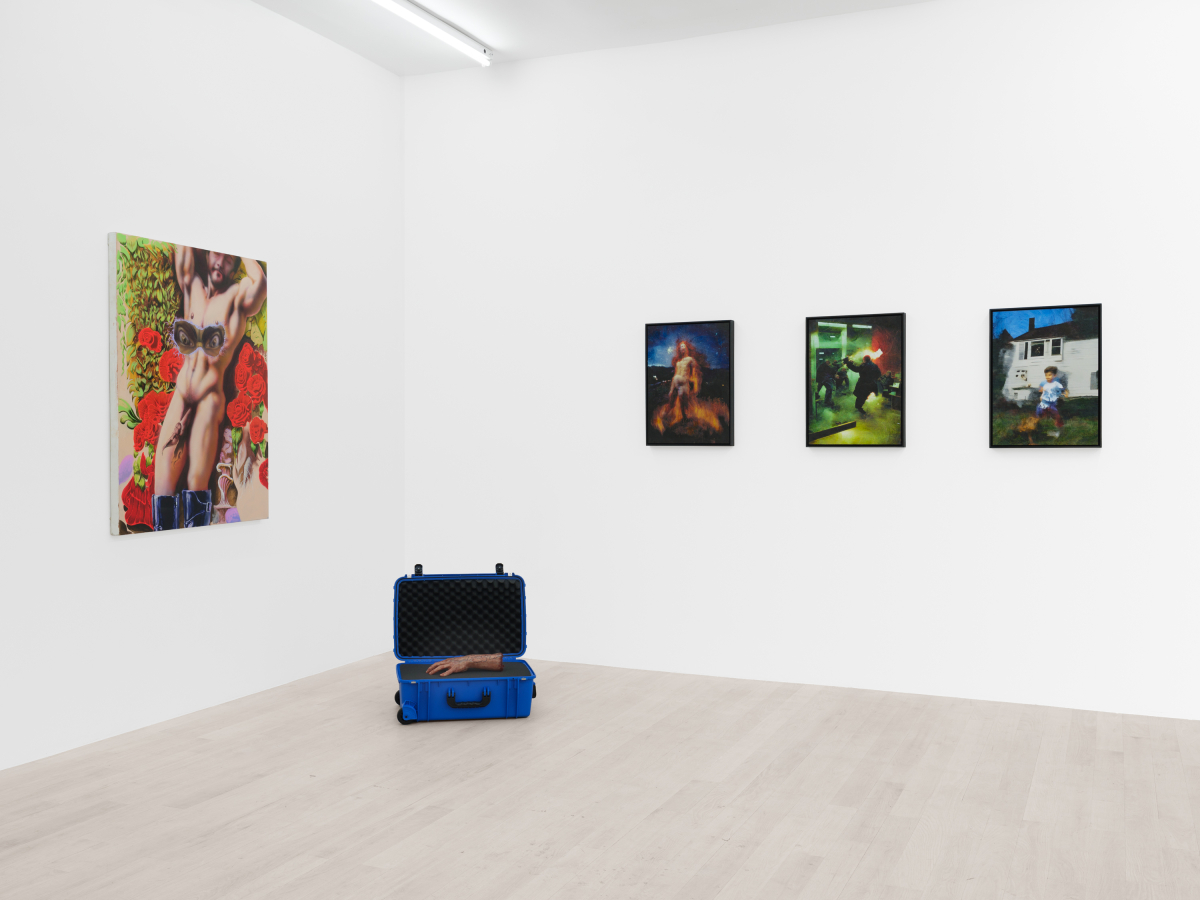
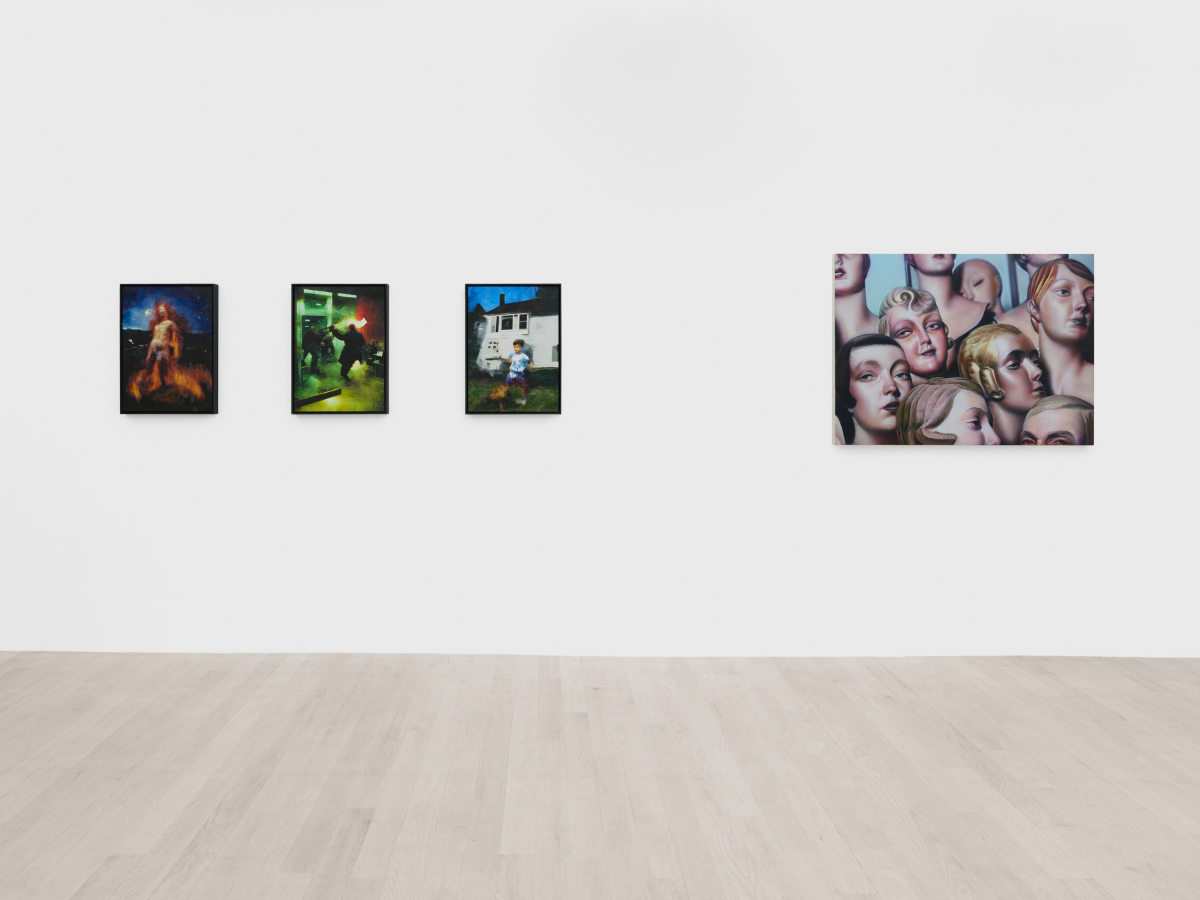
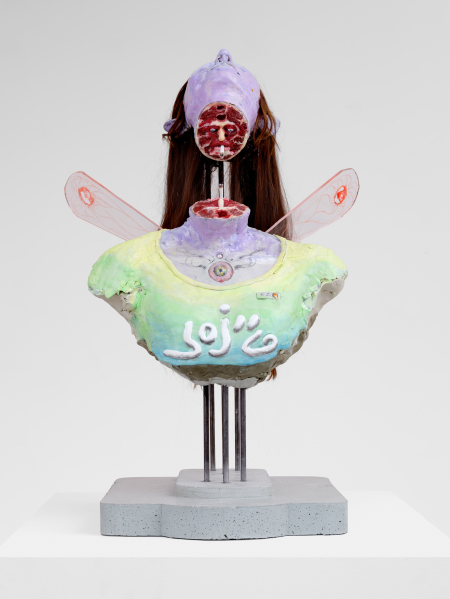
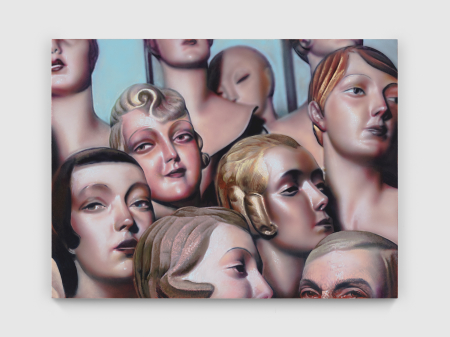
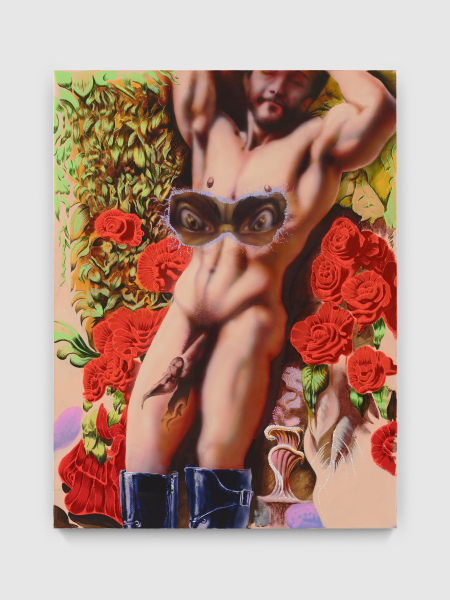
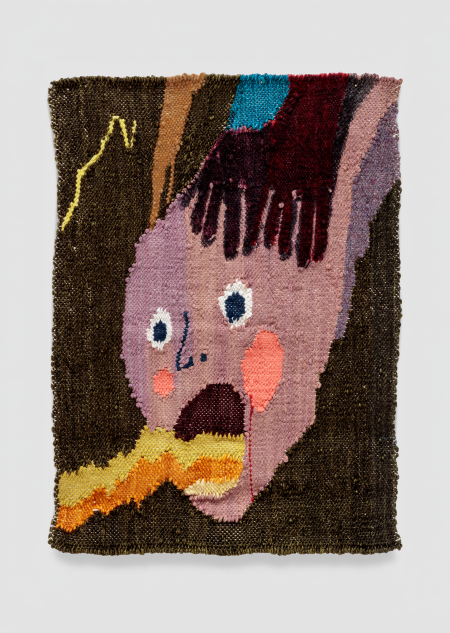
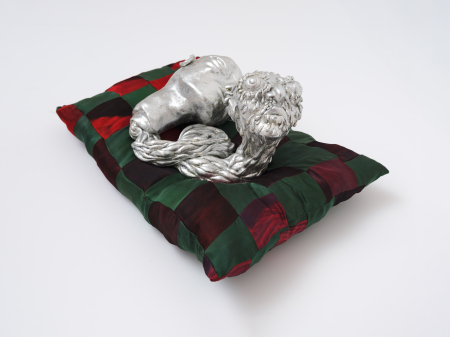
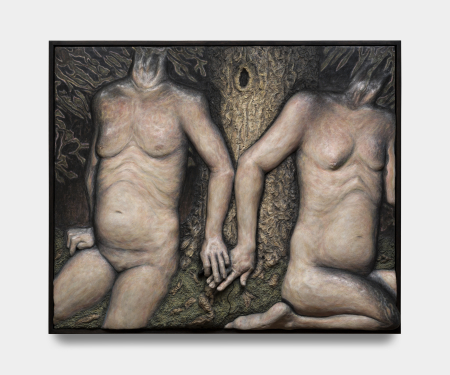
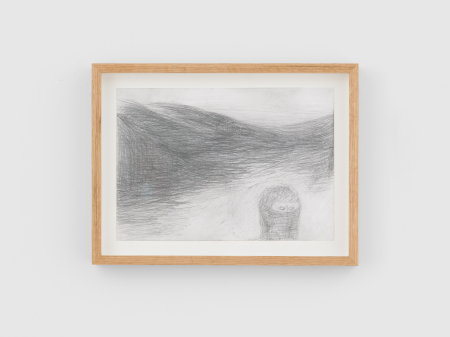
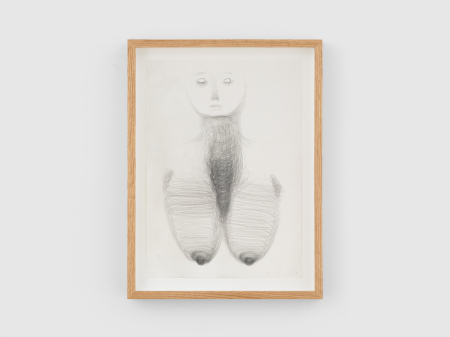
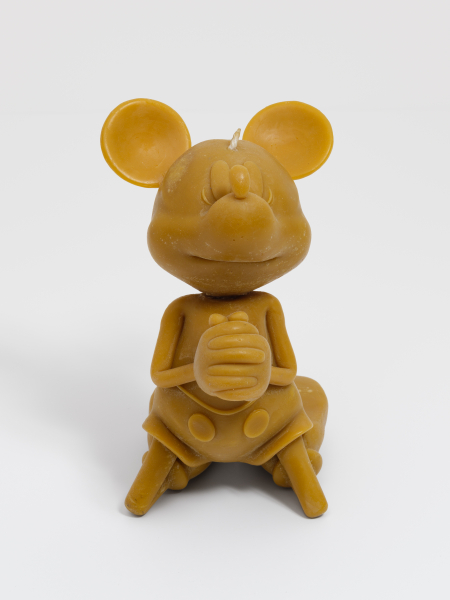
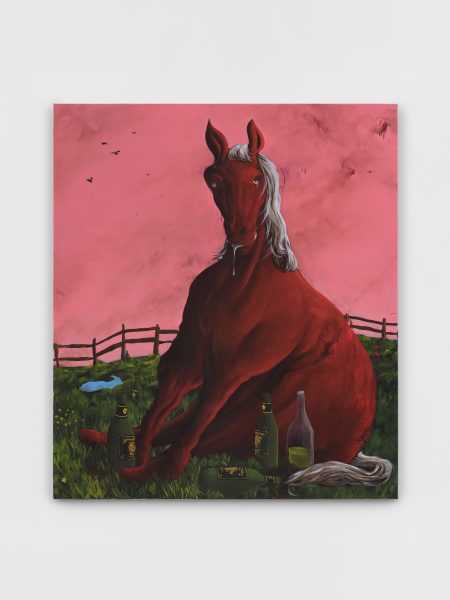
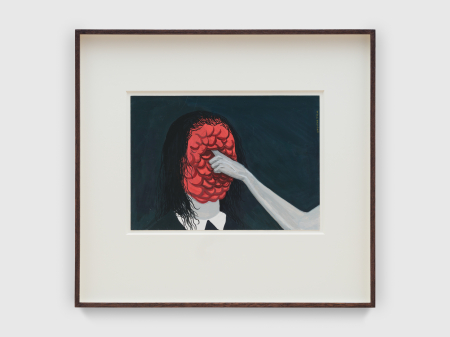
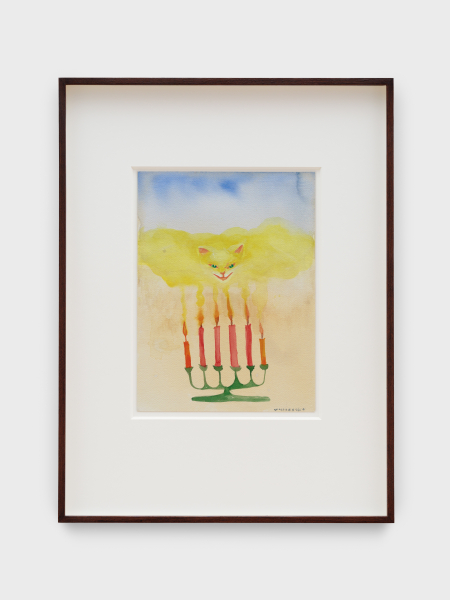
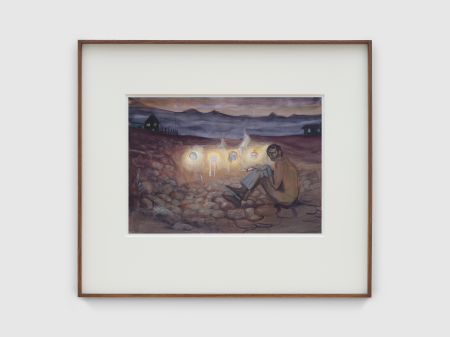
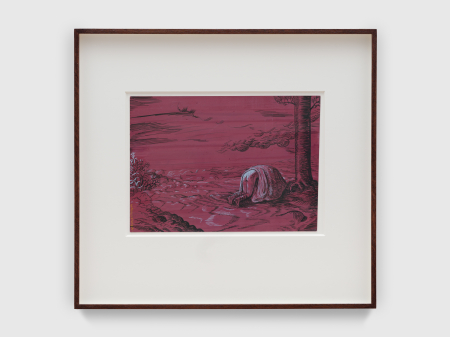
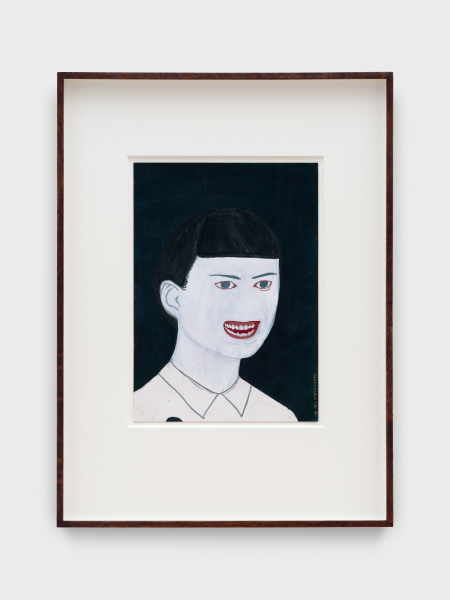
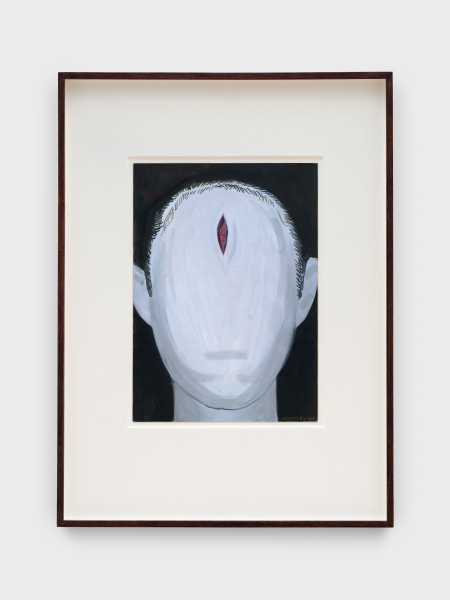
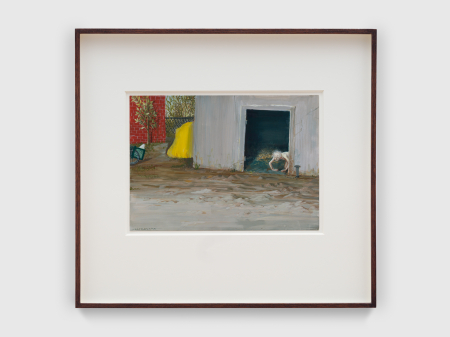
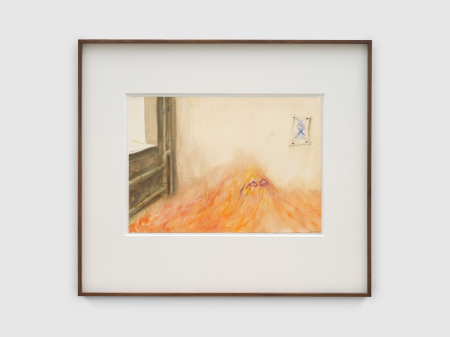
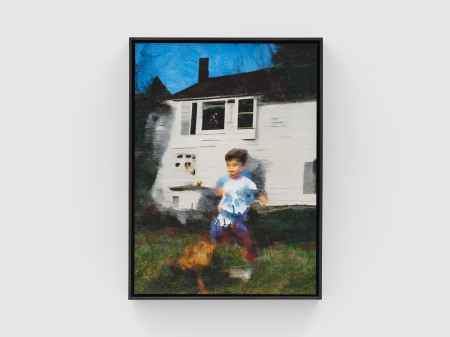
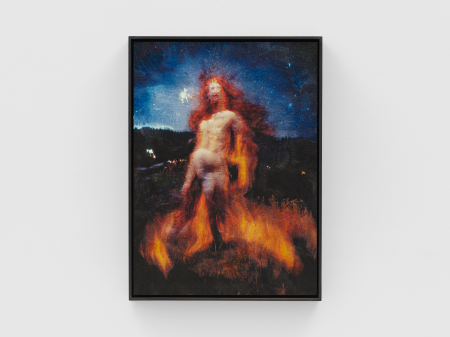
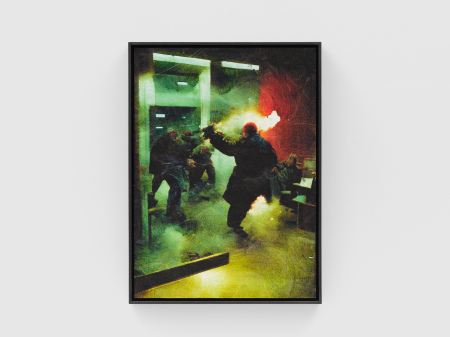
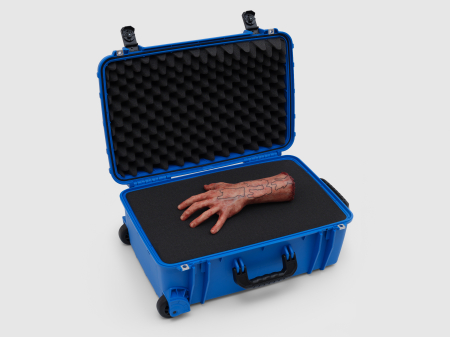
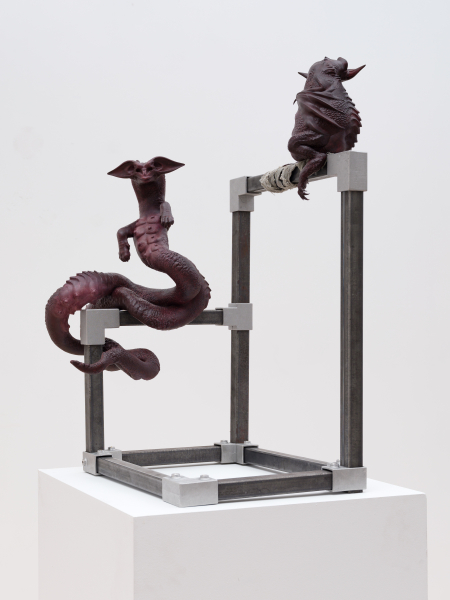
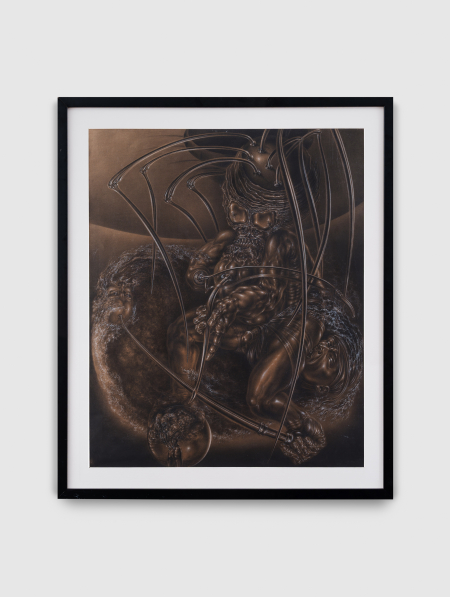
Management is pleased to present New Grotesque, a group exhibition re-examining the nature of grotesque art in the second quarter of the 21st century. The exhibition features emerging, established, and rediscovered artists with a selection of works representative of the grotesque genre as we understand it today.
In aesthetic terms, the grotesque is that which violates classical rules and hierarchies: it blurs boundaries and defies authority, favouring the eccentric and chaotic over the ideal and orderly. It merges humor with horror, offering insight through hyperbole and provocation. From Bosch to Goya to Bocklin to members of the New Objectivity, artists have long understood that in times of rupture, conventional ideas or classical forms are simply not enough to capture the instability and dissonance of lived reality.
In nearly all ages, some form of grotesque art has been a salve and an outlet for critical sentiment toward society and its institutions, and also a reflection of humanity’s carnal fears and desires. When war, suffering, and poverty became the shared lived experience, grotesque art became the defining form of expression of the age in Western culture. In the 2020s, a convergence of crises, including political upheaval, climate emergency, pandemic, rampant inequality, and the dizzying rise of artificial intelligence, has led to a proliferation of new grotesque imagery. However, a fundamental difference between the past and the present demands a reconsideration of the grotesque as a response to our time. It is not the case that the common human experience in Western societies has reached past levels of precarity. A defining characteristic of the second quarter of the 21st century is that human suffering and conflict are hyperbolized and amplified by the mediated, online reality, experienced primarily through apps like Instagram, X, and TikTok. The grotesque reflection of this reality is thus also amplified, taking on a form that is qualitatively different from the grotesque art of the past.
Bringing together voices from multiple geographies and generations, the New Grotesque series of exhibitions maps these sensibilities of distortion, exaggeration, absurdity, abjection, satire, and moral and intellectual decay deployed not just for provocation, but as a means of confronting a reality that polite forms cannot.
With thanks to David Kordansky Gallery, Galerie Jocelyn Wolff, Sprüth Magers, Matthew Brown Gallery, Luhring Augustine, Kukje Gallery, Blue Velvet Projects, Droste Galladé, and Pequod Co.
David Altmejd (b. 1974, Montréal, Canada) is based in Los Angeles. He received an MFA from Columbia University, New York (2001), and a BFA from the Université du Québec à Montréal (1998). Altmejd has been the subject of solo and two-person exhibitions at Galerie l’UQAM, Montreal, Canada (2025); McMichael Canadian Art Collection, Kleinburg, Canada (2024); Musées royaux des Beaux-Arts de Belgique, Brussels, Belgium (2016); Kunsthal KAdE, Amersfoort, Netherlands (2016); Louisiana Museum of Modern Art, Humlebæk, Denmark (2015, traveled to Musée national des beaux-arts du Québec, Canada); Musée d’Art Moderne de la Ville de Paris, France (2014, traveled to Musée d’Art Contemporain de Montréal, Canada and Mudam Luxembourg, Luxembourg) among other institutions. In 2007, he represented Canada at the 52nd Venice Biennale with his installation The Index, and has also been included in the 13th Kaunas Biennial, Lithuania (2021); the Liverpool Biennial, UK (2008); the Whitney Biennial, New York (2004) and the 8th Istanbul Biennial (2003). His work is in the permanent collections of institutions including Art Gallery of Ontario, Toronto, Canada; Guggenheim Museum, New York, NY; Musée d’art moderne de la Ville de Paris, France; The Museum of Contemporary Art, Los Angeles, CA; Palm Springs Art Museum, CA; and Whitney Museum of American Art, New York, NY.
Miriam Cahn (b. 1949, Basel, Switzerland) is based in Stampa, Switzerland. Cahn first gained international recognition through her participation in Documenta 7 (1982), followed by solo exhibitions at Kunsthalle Basel (1983) and the Swiss Pavilion at the 41st Venice Biennale (1984). Over the past four decades, her work has been the subject of major institutional exhibitions throughout Europe, North America, and Asia, including presentations at Palais de Tokyo, Paris; Stedelijk Museum, Amsterdam; Kunstmuseum Bern; Haus der Kunst, Munich; Museum of Modern Art, Warsaw; Museo Reina Sofía, Madrid; Kunsthaus Bregenz; and Sifang Art Museum, Nanjing. Cahn has also participated in significant international exhibitions including documenta 14, the 59th Venice Biennale, the Baltic Triennial, and the Biennale of Sydney. In recognition of her contribution to contemporary art, she was awarded the Rubens Prize of the City of Siegen in 2022 and the Kaiserring of the City of Goslar in 2024. Her work is held in major public and private collections worldwide, including the Museum of Modern Art, New York; Tate Modern, London; Museo Reina Sofía, Madrid; Kunstmuseum Basel; Pinault Collection, Paris; Rubell Museum, Miami; Long Museum, Shanghai; and the Museum of Modern Art, Warsaw, among others.
Christina Forrer (b. 1978, Zürich, Switzerland) is based in Los Angeles. She studied at ArtCenter College of Design, Pasadena (2004). Selected solo exhibitions include Christina Forrer: MATRIX 187, Wadsworth Atheneum Museum of Art, Hartford, CT (2021-2022); Christina Forrer: Feet of the Devil, Savannah College of Art and Design Museum of Art, Savannah, GA (2019-2020); Christina Forrer, Luhring Augustine, New York (2019); Swiss in Situ | Christina Forrer: Grappling Hold, Swiss Institute, New York (2017); and Cat Lady, The Finley, Los Angeles (2016). Selected group exhibitions include Bianca Beck, Tamara Gonzales, Christina Forrer, Beeler Gallery, Columbus College of Art and Design, Columbus, OH (2021); THIS IS AMERICA, Kunstraum Potsdam, Potsdam, Germany (2021); Made in L.A. 2020: A Version, Hammer Museum, Los Angeles, CA; The Huntington Library, Art Museum, and Botanical Gardens, San Marino, CA (2020-2021); Happy !, NSU Art Museum Fort Lauderdale, FL (2019-2020); Dirty Protest: Selections from the Hammer Contemporary Collection, Hammer Museum, Los Angeles, CA (2019); Niko Pirosmani: Promeneur entre les mondes, Fondation Vincent Van Gogh Arles, Arles, France (2019); and Unorthodox, The Jewish Museum, New York (2015). She is the recipient of the Rema Hort Mann Emerging Artist Grant (2014).
D.D. Herschlein (b. 1989, Bayville, NY) is based in Los Angeles. They received a BFA from New York University (2010). Recent solo exhibitions include Spite House at Matthew Brown, New York; Deadman at Kings Leap, New York; The Long-Fingered Hand at Matthew Brown, Los Angeles; and The Architect at the New Museum, New York. Recent group exhibitions include Made in L.A. 2023: Acts of Living at the Hammer Museum, Los Angeles, and The Way I See It at The Drawing Center, New York. Herschlein’s work is included in the permanent collection of the Los Angeles County Museum of Art, Los Angeles; Institute of Contemporary Art, Miami; Rubell Museum, Miami; Aïshti Foundation, Beirut; Beth Rudin DeWoody Collection, The Bunker Artspace, Palm Beach; and TANK Shanghai, China.
Linda Marwan (b. 1989, Leipzig, Germany) is based in Leipzig. She graduated from the Academy of Fine Arts Leipzig (2019). Her work has been presented at Kunsthalle Wilhelmshaven; Robert Koepke Haus, Schwalenberg; URBAN NATION, Berlin; and BSMNT and Werkschauhalle, Leipzig. A permanent installation is on view at Galerie Gänge, Leipzig.
Tura Oliveira (b. 1990, Fall River, MA) is based in Brooklyn, NY. They received an MFA from Yale School of Art and a BFA from the Rhode Island School of Design (2013). Solo exhibitions include Geary Contemporary, LaMaMa Galleria, BRIC, and Wave Hill, New York, as well as a solo booth at Material Art Fair, Mexico City (2023). They received the Dean's Prize from Yale School of Art (2023).
Jang Pa (b. 1981, Seoul, South Korea) is based in Seoul. She received an MFA in Painting (2017) and a BFA in Painting and Aesthetics (2006) from Seoul National University. Solo exhibitions include Gore Deco at Kukje Gallery, Seoul (2025); The Night without Eyes at Humor GarmGot, Seoul (2023); and The Woman without Qualities at KICHE, Seoul (2022). Recent group exhibitions include Connecting Bodies: Asian Women Artists at the National Museum of Modern and Contemporary Art, Seoul (2024).
Jon Rafman (b. 1981, Montréal, Canada) is based in Los Angeles. He received an MFA from the School of the Art Institute of Chicago (2008) and a BA from McGill University, Montréal (2004). Recent solo exhibitions include presentations at Whangarei Museum of Art, New Zealand; Taipei Fine Arts Museum, Taiwan; 180 The Strand, London, United Kingdom; and Schinkel Pavillon, Berlin, Germany. His work has been shown at the 58th Venice Biennale and the Sharjah Biennial, and is held in the collections of the Museum of Modern Art, New York; Moderna Museet, Stockholm; Stedelijk Museum, Amsterdam; National Gallery of Canada, Ottawa; and Louisiana Museum of Modern Art, Humlebæk, among others. Rafman’s first museum survey exhibition titled Main Stream Media is currently on view at K21 Kunstsammlung NRW in Düsseldorf.
Andrew Roberts (b. 1995, Tijuana, Mexico) is based in Mexico City. Solo exhibitions include SCAD Museum of Art, Savannah, and Museo Universitario Arte Contemporáneo (MUAC), Mexico City. Recent group exhibitions include the São Paulo Biennial (2025); the Whitney Biennial (2022); the Athens Biennale (2021); Museo Jumex, Mexico City; and the Museum of Contemporary Art San Diego.
Sibylle Ruppert (1942–2011) was born in Frankfurt, Germany. Recently, her work has received renewed critical attention following her solo presentation at Blue Velvet, Zurich (2022). Solo exhibitions include the H.R. Giger Museum, Gruyères (2010); Blue Velvet, Zurich (2022); and Kunsthalle Giessen (2023). Recent group exhibitions include the Yokohama Triennial (2024) and Montpellier Contemporain (2026). Her monumental four-panel work La Bible du Mal (1975) remains a defining work of the Biomechanical tradition.
Igor Simić (b. 1988, Belgrade, Yugoslavia) is based in New York and Belgrade. He received a BA in Film Studies and Philosophy from Columbia University, New York (2011). Recent solo exhibitions include Galerie Anita Beckers and Galerie Perpetuel, Frankfurt. Recent group exhibitions include The Shared Now at Kunstmuseum Magdeburg; Freedom—An Unfinished Story at the Hygiene Museum, Dresden; and Manifesta 14 (2022).
Inna Smolina (b. 1991, Chelyabinsk, USSR) is based in New York. Smolina holds a BFA in Visual and Critical Studies from the School of Visual Arts (2023). Her work was featured in group exhibitions at SVA Flatiron Gallery, New York; Bienvenu Steinberg & C, New York; in Artist Spotlight at Efrain Lopez, New York; Archiv Massiv, Leipzig, Germany; and White Columns, New York. She was awarded the Silas Rhodes Merit Scholarship, the 2022 Contemporary Practices Residency at SVA in New York, and the Leipzig International Art Programme Residency in Germany.
Aleksandra Waliszewska (b. 1976, Warsaw, Poland) is based in Warsaw. She studied at the Academy of Fine Arts, Warsaw. Waliszewska’s work has been the subject of the major museum exhibitions, The Dark Arts: Aleksandra Waliszewska and the Symbolism from the East and North, at the Museum of Modern Art in Warsaw (2022) and M.K. Čiurlionis National Museum of Art, Kaunas, Lithuania (2023). She currently has a solo exhibition at the Benaki Museum in Athens, Irruption of Antiquity, co-organized with the DESTE Foundation, and curated by Alison Gingeras. Numerous public institutions have acquired her work, including the DESTE Foundation for Contemporary Art, Athens, Greece; the National Museum, Gdańsk, Poland; the Museum of Modern Art in Warsaw, Poland; and The National Museum of Contemporary Art, Athens, Greece. She has published over twenty artist’s books, including PROBLEM and SOLUTION, with the cult French imprint Timeless, and collaborated with directors Athina Rachel Tsangari and Agnieszka Smoczynska on the films The Capsule (2012) and The Lure (2015), respectively.
August 5, 2026
July 15, 2026
July 10, 2026